آپ کی بہتی دهڑ کنوں کا نِگہبان
Hematologist in Multan — Expert Blood Disorder Care When It Matters Most
When something feels wrong with your body deep, persistent fatigue that sleep doesn’t fix, bruises that appear from nowhere, or a child who just seems pale all the time it’s easy to brush it off. Busy lives, stress, maybe just a bad week. But sometimes, those quiet signs are your body asking for help at a much deeper level.
Blood disorders don’t always announce themselves loudly. That’s exactly why seeing the right specialist matters. And if you’re in southern Punjab, finding a trusted hematologist in Multan could be one of the most important health decisions you make for yourself or your family.
This article is here to help you understand what a hematologist actually does, what conditions they treat, when you should seek one out, and where to find proper care in Multan.
What Is a Hematologist?
A hematologist is a doctor who specializes in blood everything related to it. That includes the blood itself, the bone marrow where blood cells are made, and the lymphatic system that helps carry white blood cells through the body.
Think of them as detectives for the blood. When your general physician runs a blood test and something looks unusual, a hematologist is the person who figures out why and what to do about it. They diagnose and treat conditions like anemia, clotting disorders, leukemia, thalassemia, lymphoma, and many others. Some of these conditions are manageable with medication. Others require complex treatments like bone marrow transplants. Either way, a hematologist guides that journey from start to finish.
Why People Search for a Hematologist in Multan
Multan is one of Pakistan’s most densely populated cities, and it serves as a medical hub for the entire southern Punjab region. People travel from Bahawalpur, Khanewal, Rahim Yar Khan, Dera Ghazi Khan, and dozens of smaller towns specifically to access specialist care here.
Blood disorders are particularly prevalent in this region. Thalassemia rates in Pakistan are among the highest in the world and without proper awareness or access to specialist care, many families suffer in silence for years before getting an accurate diagnosis.
The demand for a qualified hematologist in Multan has grown steadily as public awareness has improved. People are more willing now to seek answers rather than accept vague explanations for persistent symptoms. And that shift from passive acceptance to active health-seeking is genuinely encouraging.
Common Blood Disorders a Hematologist Treats
A hematologist’s scope of practice is broader than most people realize. Here are the conditions they most commonly manage:
- Anemia — Low red blood cell count causing fatigue, weakness, and paleness
- Thalassemia — A genetic disorder affecting hemoglobin production, particularly common in Pakistan
- Leukemia — Cancer of the blood and bone marrow
- Lymphoma — Cancer that begins in the lymphatic system
- Myeloma — Cancer of plasma cells in the bone marrow
- Hemophilia — A clotting disorder where blood doesn’t clot properly after injury
- Sickle Cell Disease — Abnormally shaped red blood cells that cause pain and organ damage
- Thrombocytopenia — Abnormally low platelet count, leading to easy bleeding
- Polycythemia Vera — Too many red blood cells, thickening the blood
- Deep Vein Thrombosis (DVT) — Dangerous blood clots forming in veins
Each of these conditions requires a specialist’s eye. A general physician can flag a problem through routine blood work, but diagnosing the specific type, severity, and appropriate treatment plan that’s hematology.
Symptoms That Mean You Should See a Hematologist
People often wait too long. They assume fatigue is from overwork, or bruising is just clumsiness. But there are specific signs that really do warrant a hematology consultation, and getting checked sooner rather than later can change outcomes dramatically.
Watch for these:
- Extreme tiredness that doesn’t improve no matter how much rest you get
- Frequent unexplained bruising or bleeding that takes longer than normal to stop
- Pale or yellowish skin, especially in children
- Swollen lymph nodes in the neck, armpits, or groin
- Recurring fevers or infections without a clear cause
- Bone pain, particularly in the spine, hips, or ribs
- Night sweats combined with unexplained weight loss
- Dark or reddish-brown urine
- Shortness of breath even with light activity
- A child falling behind in growth or development milestones
If several of these are present at the same time, don’t wait. A simple blood test can give you answers — and peace of mind if nothing serious is found.
Blood Disorders in Children — A Special Concern
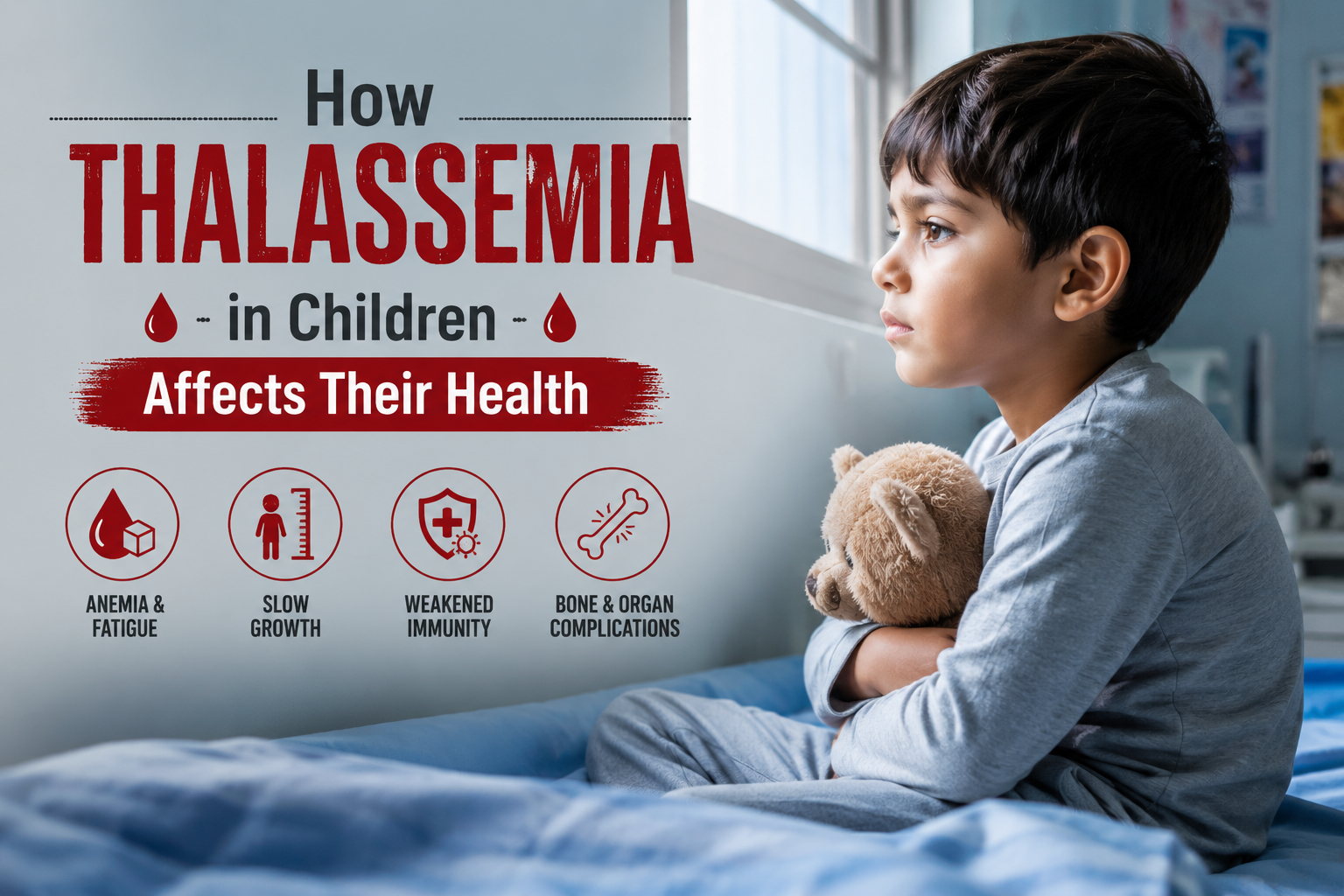
Children deserve particular attention when it comes to blood health. Many blood disorders are genetic and present early in life sometimes within the first year. In regions like southern Punjab, thalassemia in children is especially common, and early identification is critical.
A child’s developing body is particularly vulnerable. When red blood cells aren’t functioning properly, it doesn’t just cause fatigue it stunts physical growth, delays cognitive development, weakens immunity, and puts unnecessary strain on the heart and spleen.
Parents sometimes notice that their child seems constantly tired, catches infections easily, or looks paler than other kids their age. These aren’t things to dismiss as “just how the child is.” They’re worth investigating.
A skilled hematologist in Multan who works with pediatric patients understands how to approach children with sensitivity making a stressful medical experience as calm and manageable as possible for both the child and the parents.
Thalassemia awareness programs offered through centers like CBMD Multan are specifically designed to help families recognize early warning signs and access testing before the disease progresses.
Understanding Thalassemia — Pakistan’s Most Common Blood Disorder
If there’s one blood condition that deserves its own spotlight in Pakistan, it’s thalassemia. According to the World Health Organization (WHO), Pakistan has one of the highest rates of thalassemia carriers in the world — an estimated 5 to 7 percent of the population carries the trait, and around 5,000 to 9,000 new babies are born with thalassemia major each year.
Thalassemia is inherited. It happens when a child receives a faulty hemoglobin gene from both parents. The result is red blood cells that are too fragile to do their job, breaking down faster than the body can replace them.
Children with thalassemia major the severe form need blood transfusions every two to four weeks just to maintain safe hemoglobin levels. Without this, their organs begin to fail. And even with transfusions, there’s another problem: iron overload. Repeated transfusions introduce excess iron that builds up silently in the heart, liver, and other organs.
That’s where two critical treatments come in.
Iron Chelation Therapy
Iron chelation therapy uses specific medications to bind excess iron in the body and help it pass out through urine or stool. It can be given as an injection or taken orally, depending on the child’s condition and the doctor’s recommendation.
Consistent chelation is just as important as transfusions neglecting it can lead to heart failure and liver damage even in a well-transfused child.
Bone Marrow Transplant — The Path to a Cure
Right now, a bone marrow transplant (also called a stem cell transplant) is the only established cure for thalassemia major. Healthy stem cells from a compatible donor ideally a sibling replace the diseased bone marrow, and over time, the new marrow begins producing healthy blood cells.
It’s a major procedure with real risks, but for eligible children especially younger ones with a well-matched donor the results can be life-changing. Centers offering bone marrow services in Multan can assess whether a patient qualifies and guide families through every step of the process.
Diagnosis — What to Expect When You See a Hematologist
The diagnostic process in hematology often starts simpler than people expect. Your first visit will typically involve a review of your symptoms and medical history, followed by a blood test.
Here’s what the process commonly looks like:
Step 1 — Complete Blood Count (CBC) This is the foundational blood test. It measures red blood cells, white blood cells, hemoglobin levels, and platelets. Abnormal results here are usually what prompts a referral to a hematologist.
Step 2 — Peripheral Blood Smear A sample of blood is examined under a microscope, allowing the doctor to see the actual shape and size of blood cells. Abnormal-looking cells point toward specific conditions.
Step 3 — Hemoglobin Electrophoresis This test identifies the types of hemoglobin present in the blood crucial for diagnosing thalassemia and sickle cell disease.
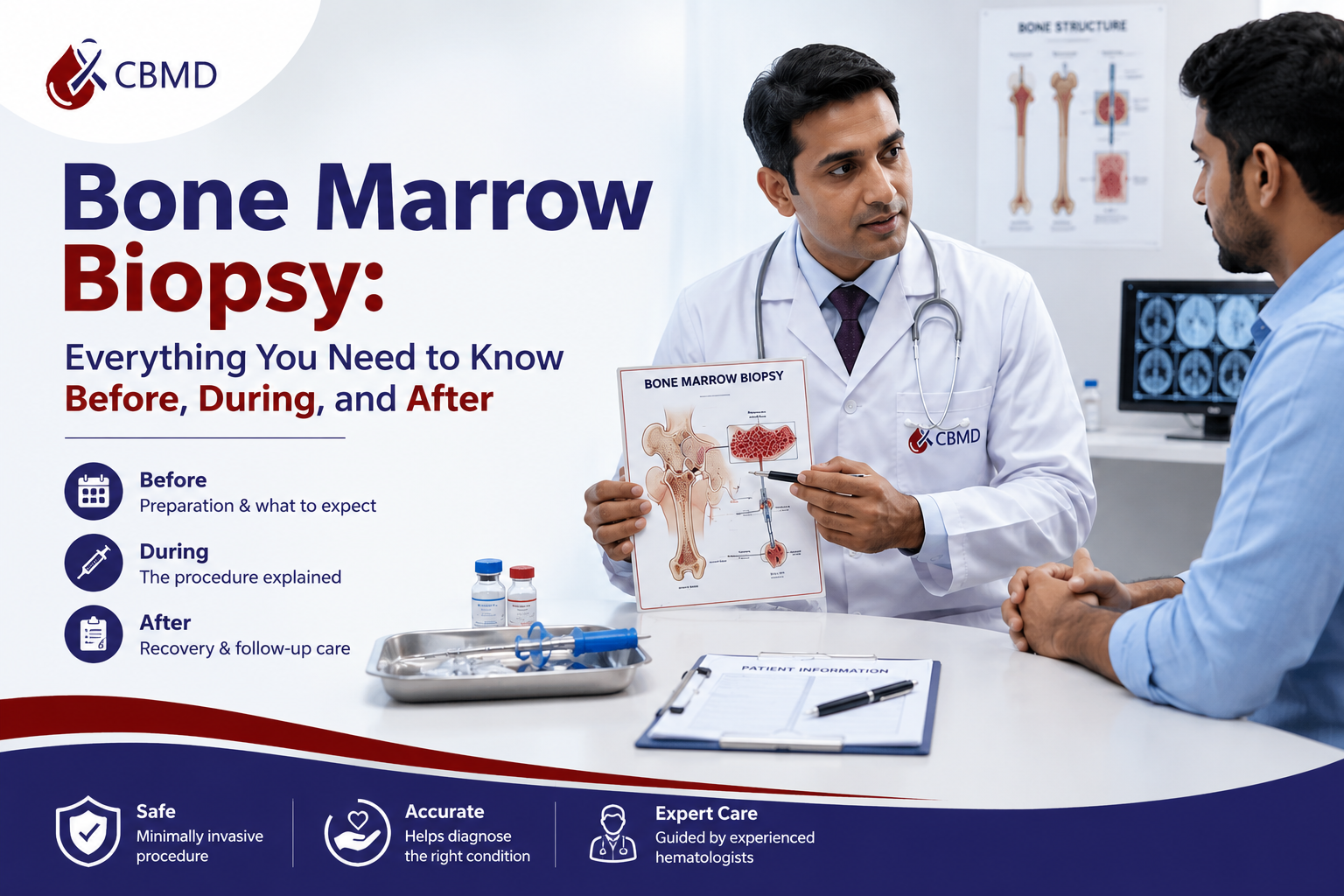
Step 4 — Bone Marrow Biopsy When blood cancers or serious bone marrow conditions are suspected, a small sample is taken from inside the bone (usually the hip) and analyzed under a microscope.
Step 5 — Genetic Testing For inherited disorders, DNA testing can confirm the specific gene mutations involved and help families understand their risk of passing conditions to future children.
A proper hematology consultation will walk you through exactly which tests you need based on your symptoms nothing more, nothing less.
Treatment Options Available in Multan
Access to treatment has improved considerably in Multan over the past decade. Depending on the blood condition, treatment may involve:
- Medications — For conditions like ITP (low platelets), hemophilia, or mild anemia
- Regular blood transfusions — For thalassemia major and certain types of anemia
- Iron chelation therapy — To manage iron overload from frequent transfusions
- Chemotherapy — For blood cancers like leukemia and lymphoma. Centers offering chemotherapy and daycare services provide this in a structured, closely monitored environment.
- Immunotherapy and targeted therapy — Newer treatment options for blood cancers
- Bone marrow / stem cell transplant — For eligible patients with thalassemia major or certain leukemias
The Mayo Clinic notes that treatment outcomes for many blood disorders have improved significantly in recent years due to advances in targeted therapy and transplant techniques. Access to these treatments in cities like Multan means patients no longer need to travel to Lahore or Karachi for comprehensive care.
The Role of Medical Centers in Supporting Blood Disorder Patients
Living with a blood disorder or raising a child who has one is a long journey. It’s not just about the treatment itself. Families need education, emotional support, consistent follow-up, and access to specialists who genuinely understand what they’re going through.
This is where dedicated medical centers play a role that goes far beyond just running tests and prescribing medication.
CBMD Multan works to bridge the gap between medical expertise and community awareness. Their mission focuses on:
- Providing accessible blood disorder treatment under one roof
- Running thalassemia awareness programs to educate communities about carrier screening and early testing
- Supporting families emotionally and practically through the diagnosis and treatment process
- Helping patients understand prevention, genetic counseling, and long-term management
Good healthcare isn’t transactional. It’s ongoing, compassionate, and built around the patient not just the disease. That’s the standard families deserve, and it’s what centers dedicated to hematology care in Multan strive to provide.
Prevention and Early Awareness — Where It All Starts
You can’t always prevent a blood disorder especially a genetic one. But you can prevent many of the worst outcomes through early awareness and proactive testing.
Here’s what makes the biggest difference:
- Pre-marital blood screening — In Pakistan, this is especially important. If both partners carry the thalassemia trait, each pregnancy carries a 25% chance of producing a child with thalassemia major. Knowing this before starting a family opens up options.
- Newborn screening Early testing at birth allows treatment to begin before complications develop.
- Routine blood checks — Annual CBC tests can catch developing anemia or other abnormalities long before symptoms appear.
- Community education — Many families in rural areas around Multan still don’t know what thalassemia is, let alone that they might be carriers. Outreach and education save lives.
The NHS recommends that all couples with a family history of thalassemia or from high-prevalence populations be offered carrier testing before or during pregnancy. That recommendation applies directly to families across southern Punjab.
Awareness is genuinely the most cost-effective intervention we have. A simple blood test costs very little compared to a lifetime of transfusions.
Guidance for Patients and Families Seeking Care in Multan
If you’re considering seeing a hematologist in Multan for the first time, here’s some practical guidance:
- Bring all previous blood reports — Even if they’re from years ago. Patterns matter.
- Write down your symptoms before the appointment — When they started, how often they occur, whether they’re getting worse.
- Don’t self-diagnose from the internet — Blood disorders share symptoms with many other conditions. Let the specialist interpret the data.
- Ask about genetic testing for your children — If you’ve been diagnosed with an inherited disorder, your children should be screened.
- Be consistent with follow-ups — Hematological conditions need regular monitoring. Missing appointments can allow things to deteriorate quietly.
- Ask questions freely — A good hematologist will welcome them. You deserve to understand your own health fully.
- A hematologist in Multan is a specialist doctor who diagnoses and treats disorders related to blood, bone marrow, and the lymphatic system — helping patients get accurate answers when general physicians can’t explain what’s wrong.
Take the Next Step — Reach Out for Expert Guidance
Whether you need a first consultation, a second opinion, or an ongoing treatment plan, dedicated support is available in Multan. The team at CBMD Multan is committed to providing accessible, compassionate care for patients dealing with blood disorders from early awareness and carrier screening all the way through to advanced treatment support.
Reach out, ask questions, and get the clarity your family deserves. Awareness is the first step. Taking action is the one that counts.Why Families Trust a Hematologist in Multan
Families across southern Punjab trust a hematologist in Multan because the city has become a reliable medical hub, offering specialist blood care that people once had to travel all the way to Lahore or Karachi to access.
When Should You See a Hematologist in Multan?
You should consider seeing a hematologist in Multan if you or your child are experiencing persistent fatigue, unexplained bruising, pale skin, frequent infections, or abnormal results on a routine blood test.
How a Hematologist in Multan Diagnoses Blood Disorders
A hematologist in Multan uses a combination of blood tests, bone marrow biopsies, and genetic analysis to accurately identify the type and severity of a blood disorder before recommending any treatment plan.
Thalassemia and the Role of a Hematologist in Multan
Thalassemia is one of the most common conditions managed by a hematologist in Multan, and with Pakistan’s high carrier rate, early specialist consultation is often the difference between timely treatment and years of unmanaged suffering.
Blood Cancer Treatment With a Hematologist in Multan
From leukemia to lymphoma and multiple myeloma, a hematologist in Multan plays a central role in diagnosing blood cancers early and creating structured treatment plans that may include chemotherapy, targeted therapy, or bone marrow transplant.
Children’s Blood Health and a Hematologist in Multan
When a child shows signs of slow growth, pale skin, or constant tiredness, a hematologist in Multan can determine whether an underlying blood disorder like thalassemia or anemia is responsible and begin treatment before further damage occurs.
Iron Chelation Therapy Guided by a Hematologist in Multan
Regular blood transfusions cause iron to build up dangerously in the body, which is why a hematologist in Multan closely monitors ferritin levels and prescribes iron chelation therapy to protect vital organs like the heart and liver.
Bone Marrow Transplant Support From a Hematologist in Multan
A hematologist in Multan can evaluate whether a patient with thalassemia major or a blood cancer is a suitable candidate for a bone marrow transplant — the only current path to a complete and lasting cure for certain conditions.
Pre-Marital Screening and a Hematologist in Multan
Couples planning to start a family are strongly encouraged to consult a hematologist in Multan for carrier screening, especially since both partners being thalassemia carriers puts every pregnancy at a 25% risk of producing a severely affected child.
Anemia Management by a Hematologist in Multan
Anemia comes in many forms — iron deficiency, aplastic, hemolytic, and more — and a hematologist in Multan is trained to identify exactly which type is present and prescribe the most effective treatment rather than guessing based on symptoms alone.
Genetic Blood Disorders Treated by a Hematologist in Multan
Genetic conditions like sickle cell disease, hemophilia, and thalassemia require long-term specialist management, and a hematologist in Multan provides the ongoing monitoring and adjusted care plans these patients need throughout their lives.
Community Awareness Led by a Hematologist in Multan
Beyond clinical treatment, a hematologist in Multan plays a growing role in public health education — helping communities in southern Punjab understand blood disorder risks, the importance of early testing, and how genetic counseling can protect future generations.
What to Expect at Your First Visit to a Hematologist in Multan
At your first appointment with a hematologist in Multan, you can expect a thorough review of your symptoms and medical history, followed by a targeted set of blood tests nothing overwhelming, just a clear and structured first step toward answers.
Finding the Right Hematologist in Multan for Your Family
Finding the right hematologist in Multan means looking for a specialist with experience in your specific condition, access to modern diagnostic tools, and a communication style that helps you truly understand your health not just your test results.

Why to choose ? CBMD
What sets CBMD apart is our blend of clinical precision, compassionate care, and systemic integration – from expert consultations and on-site microscopy to safe chemotherapy and timely home delivery of critical drugs.
Our unique ‘Microscope Clinic’ model reduces delays, avoids unnecessary tests, and ensures direct hematologist oversight.
CBMD is more than a facility it’s a healthcare philosophy built on accuracy, empathy, and regional upliftment.
Excellence in care. Integrity in practice.
Deliver safe, ethical, and patient- centered hematology care using international guidelines. Integrate clinical hematology with diagnostic excellence for better outcomes.
Build leadership in hematology through structured education and integrated, accessible, and quality-training programs. Improve public awareness, screening, and early diagnosis of hematological disorders.
To redefine standards in haematology care across Pakistan by delivering integrated, accessible, and quality-assured treatment, education, and research in blood and marrow diseases.

Clinics & Consultations
Microscope Clinics
Real-time on-site blood cell morphology for faster, accurate evaluation and treatment initiation.Centers of Excellence: Signature Clinics
Disease-specific clinics for specialized care, focused management, and patient awareness.Specialized Opinions
Expert consultation for surgical clearance and systemic conditions affecting blood and marrow health.Collaborative Case Management
Joint treatment planning with referring consultants for patient-centered care.Top Conditions Treated
Hodgkin / Non-Hodgkin Lymphoma
Immune Thrombocytopenic Purpura
CML, CLL
Multiple Myeloma
Acute Leukemias
Myelodysplastic Syndrome
Thalassemia
Iron, B12, Folate Deficiency
Anemia
Hemophilia
von Willebrand Disease
Contact Information
+92 61 4505045
+92 314 6267364
info@cbmdmultan.com
CBI 62, Jamalabad Street & Colony, Near Multan International Airport
Our Specialized Services
Microscope Clinics
Monitored Day Care (HDU)
Chemotherapy, Immunotherapy, and Molecular Therapies
Under continuous monitoring.
Bone Marrow Biopsies
Hematology Oncology Pharmacy
Home delivery of special medicines.
Multi-Disciplinary Clinical Laboratory
Sterile & Non Sterile Compounding
Chemotherapy preparation under laminar flow hoods.
Our Values
Excellence
Compassion
Innovation
Education
Integrity
Collaboration
Chemotherapy Services
Consultant-Led Treatment
& Quality Protocols
& Quality Protocols
Chemotherapy Day-Care Unit
Laminar flow
Chemotherapy Hood
Chemotherapy Hood
Targeted &
Immunotherapy Services
Immunotherapy Services
- Safe
- Patient-Centric
- Advanced
- Cancer Care
Book Our Best Doctor
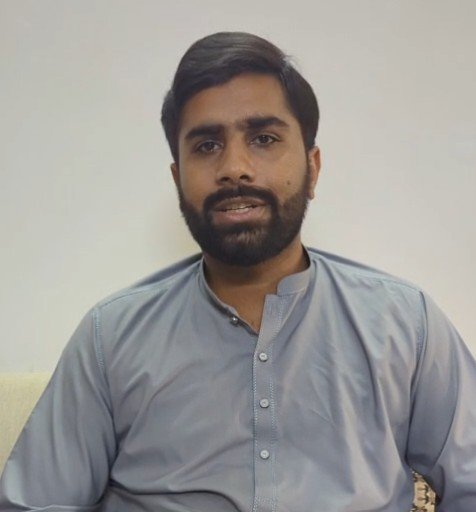
Junaid Iqbal: Patient Experience
I had a follow-up with CBMD Multan, and I am totally satisfied with the care and support I received.
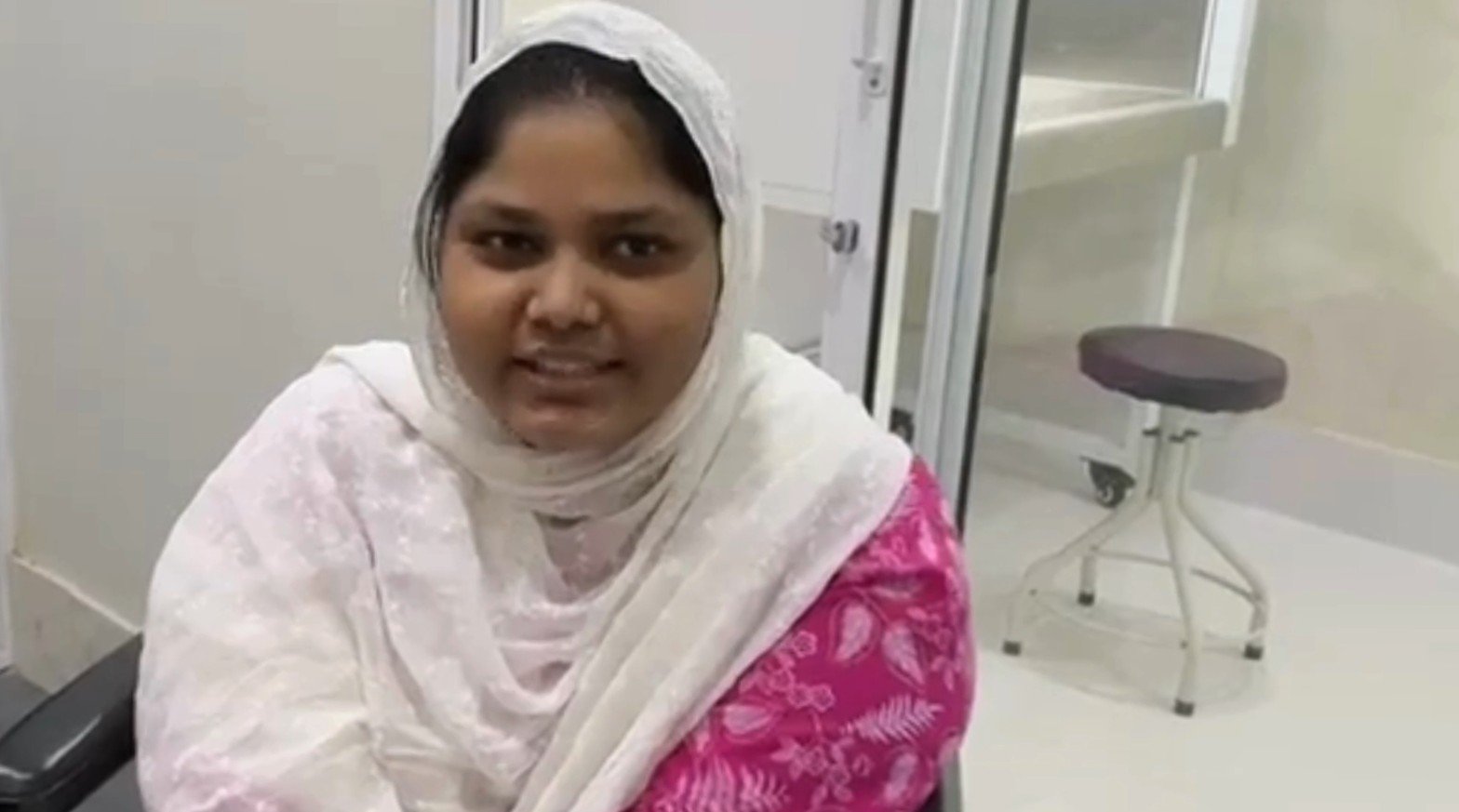
Cancer Patient
I am cancer patient and my treatment was initially started at Aga Khan Hospital Karachi.Afterwards, i was referred by same hospital to Dr Farrukh Zia Tareen and trust me, i cannot trust any ither doctor in Multan…
The Stanford Cancer Institute:
Translating Discoveries Into Care
What sets the Stanford Cancer Institute apart is its tireless quest to advance global understanding of how to predict, prevent, and cure cancer. Over 450 faculty members collaborate and interact to bring all of their expertise to the benefit of the patient. From pioneering expertise in cell therapy to leading-edge research, see how we are transforming cancer treatment.
Inside CBMD Multan
Latest Updates from CBMD Multan
Accreditations & Affiliations




Recognized Memberships